Why "Looking Professional" Is Making You Invisible Online Welcome to the Identity Gap

Let me describe someone I photograph a lot.
She's brilliant in the room. Articulate, warm, completely credible. The kind of woman who makes clients feel immediately at ease and makes competitors quietly nervous. She's been through something, a reinvention, a hard few years, a chapter that changed her. She's shed the version of herself she used to apologise for.
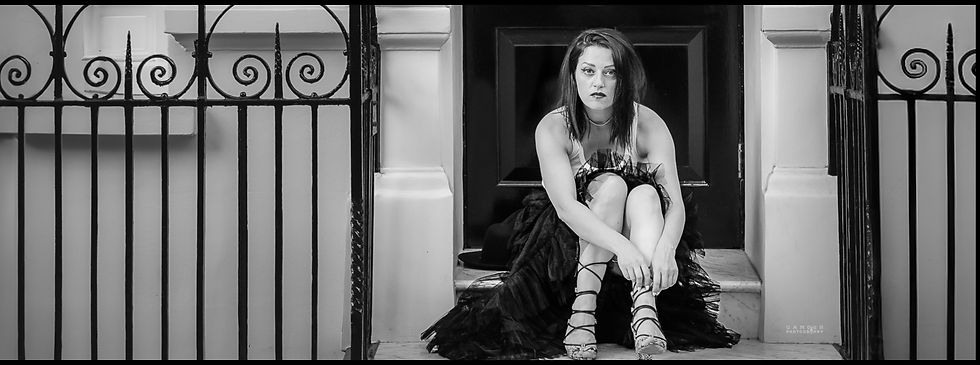
She's proud of who she's become. Genuinely proud.
Her LinkedIn photo was taken in 2020.
Maybe, just maybe I just described you.
"The most expensive silence in professional life: the gap between who you've become and what the world gets to see."
That gap has a name. I call it Identity Lag. And 66% of the female leaders I speak to are living it right now — not because they're lazy or unaware, but because nobody in the photography industry has ever been honest enough to name it.
66%of founders feel their current photos don't represent who they've become
50%haven't updated their professional photo in over three years
100msis all it takes for someone to form a trust judgement before they read a word
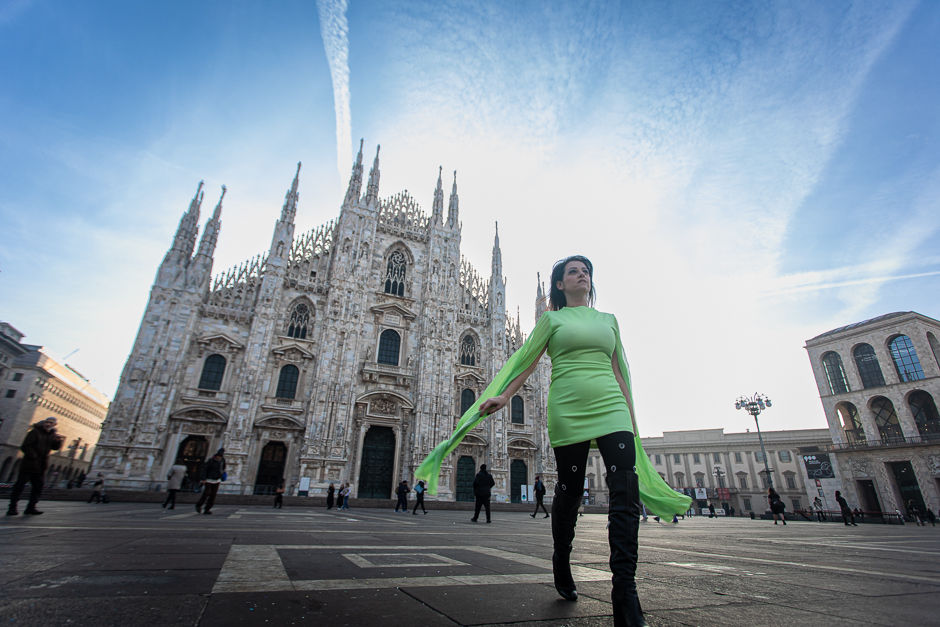
The Identity Gap : The loop nobody talks about
Here's what happens. You reach a certain level of leadership and you start dressing for the room. Safe blazer. Neutral background. Professional smile. You know the look — you've probably worn it. The whole industry calls it "professional" and for a long time it worked.
But "professional" is a loop, not a destination. It keeps pulling you back to the safest, most expected version of yourself — the one that won't surprise anyone, won't make anyone uncomfortable, won't say anything too specific about who you actually are.
And the cruel irony? The very thing you're doing to appear credible is making you invisible. Because professional looks the same on everyone. And your ideal clients aren't looking for professional. They're looking for you.
"You can't pose someone into authenticity. I've tried. It doesn't work."
The fear underneath it — the one most women I photograph are carrying when they walk in isn't "I don't look good enough." It's something far more specific:
"What if the photos confirm I'm not as impressive on the outside as I am on the inside?"
That question. That's the one. And I'd estimate 71% of the people I've ever photographed were carrying some version of it.

"I see all the flaws. I didn't feel worthy."
before her session
"I didn't realise how far I'd come until I saw these."
after her session
"I now see the person I really am."
after his session
Why I know this from the inside
Someone messaged me at midnight this week.
Twelve words into that message :
"bloody hell, you can write well, Julian. And not the easiest things to be sharing."
He asked me two questions. How do you feel since posting it? And how's business?
Honestly, I spent the first part of this year not entirely sure who I was or what I was trying to be. I'd pushed so hard not to be like every other templated, trained-by-the-internet photographer, puppet socks on my hands, biscuits thrown at the audience, ping pong balls and a fish tank, that I'd overcorrected. Tried too hard. Scared people off. In trying to stand out, I stood out just too damn much.
I'd missed my own point. The thing I coach everyone else through. If what I do with a camera is make you look approachable, I need to actually be approachable. Not a variety act.
The message never landed because it always changed. I was performing the photographer instead of being him. Sound familiar?
That's the thing about the identity gap. It doesn't care whether you're the person in front of the camera or behind it. It finds you either way. And it costs you either way.
What closing it actually looks like
The gap doesn't close all at once. It closes one decision at a time and those decisions are smaller than you think. A post that told the truth instead of the safer version. A photo that says something about who you are rather than who the room expects. A session where someone finally stops performing and starts being and you document the exact moment that happens.
That last one is what I do.
Not posing. Not Pinterest boards and preset filters. Not "chin down, shoulders back, now smile like you mean it." What I do is create the conditions in which the performed version dissolves and the real one shows up. And then I photograph that. The result is something no generic headshot session gets anywhere near: visual proof that the version of you you've worked so hard to become is real, recognisable, and worth seeing.
That's a different thing entirely. And it produces a different kind of image.
If this is you, I want to talk.
I work with female leaders who are brilliant in the room but invisible online. Women whose visual identity is still living in the chapter where they were smaller than they've since become.
I don't start with the camera. I start with the person. The camera comes out when the real version shows up.
If you're ready to close the gap not through posing, not through performance, but through the process reply to this directly, or drop "gap" in the comments. I'll be in touch personally.
I read every single one.
Jules Knopf · Creative Director, Gander Media Solutions "Most photographers pose people. I reveal them."


Comments