When the Shoot Starts Working: How Branding Photography Closes the Identity Gap

A story about guesswork, and what replaced it.
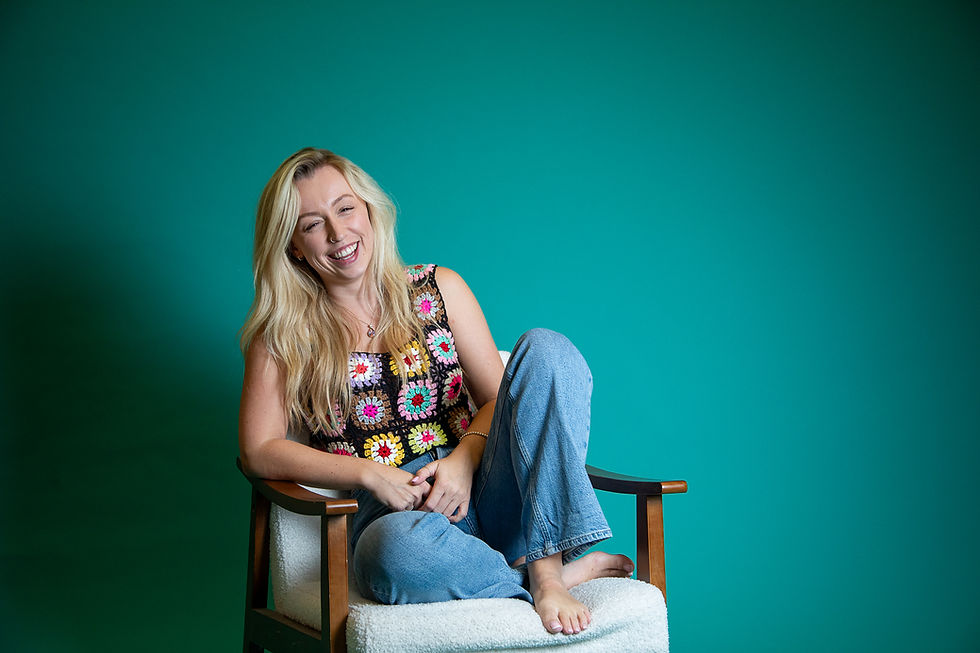
A full card doesn't mean you got the shot.
I learned that the hard way early in my career. Technically sharp, well-exposed, good light, and completely hollow. The person was there, but they weren't there. That shoot changed how I work forever. I realised the problem wasn't my camera settings or my location. I had shown up without any understanding of who I was photographing and why it mattered.
In the end it was guesswork, a series of images shoe-horned into the poses-101 playbook, and fuck me it showed. Stiff, uncomfortable, lifeless. Technically they sang. Emotionally they withered.
From that day on, a shoot has never started on location.
The Identity Gap
Nearly every person I have ever photographed arrives carrying two versions of themselves: who they actually are, and who they think the camera wants to see.
The space between those two things is the identity gap.
In branding photography, the identity gap is the single biggest predictor of whether a shoot produces images the client will actually use. Close it, and the work becomes undeniable. Leave it open, and even technically beautiful images sit unused in a folder somewhere too close to right, but not quite them.
You know the gap is closing when the images stop needing explanation. When a client looks at the back of the camera and says "oh, that's me" instead of "I guess that's okay." When the photos feel less like documentation and more like declaration.
That's what branding photography is really for. Not just to fill a website header. To close the distance between how someone sees themselves and how the world receives them.

Before I Pick Up the Camera
Any shoot starts weeks before we pick up the camera, in a conversation.
Every client and I build a visual brief together, it's not a Pinterest mood board they send over on their own, but something we construct together.
What do they want people to feel when they land on their page?
What's the one thing about their work that never comes through in words alone?
What do they want to leave behind, and what do they want to step into?
What comes out of that time together is a creative roadmap. Nothing on the day is guesswork. It also gives the client something they rarely get before a shoot: the experience of being genuinely seen and heard before the camera ever comes out. By the time we're on location, they already trust the process, because they helped shape it.
Guiding and Holding Space
Even with all that prep, there are moments in every shoot where someone goes flat. Nerves reappear. They get in their head. The images start looking like what they were afraid of.
When that happens, we don't push through it. We stop.
Slow everything down, change the energy. Sometimes that means physically moving to a different spot. Sometimes it means putting the camera down entirely and just talking, about work, clients, something they're genuinely excited about. I stop directing and just start being with them.
Shift the fear, shift the images.

How You Know It's Working
The identity gap doesn't close all at once. It closes in increments, a looser shoulder, a more natural hand, a laugh that doesn't feel performed.
By the end of a shoot that's built right, clients don't just have images. They have evidence. Evidence that the person they are on their best day, the version of themselves that shows up when they're doing work they love, can be seen. Can be captured. Can be shared.
In that moment a branding shoot stops being something you do and becomes something that changes how you show up. Dare I say it You enjoy.
Before you go one question worth sitting with.
Think back to the last time you had professional images taken.
How did you feel walking in? How did you feel looking at the results? Did you see yourself, the version of you that lights up when you're talking about work you love, or did you see someone performing a version of professionalism that felt a size too small?
If there was a gap between who walked into that shoot and who came out in the images, that's worth paying attention to. Not because you need new photos. But because that gap shows up everywhere on your website, in your pitch, in the first impression you make before you've said a word.
The gap is information. And information is where the work starts.

Comments